Grafiti
Improving clarity and discoverability in the fight against misinformation and fake news, resulting in an increase in usability ratings from 1.8 to 4/5 in final testing.
The User Problem
96% of adults don’t trust content on social media, yet over 60% of US adults gets their news from social media (Pew Research). With statistics like this, Grafiti was created to help people fight back against fake news and restore trust to both published content and social media by opening up access to data.
Client’s Request: Test usability of current iOS beta and redesign visual UI to better connect with brand and mission. Overall, help Grafiti better understand potential iOS users.
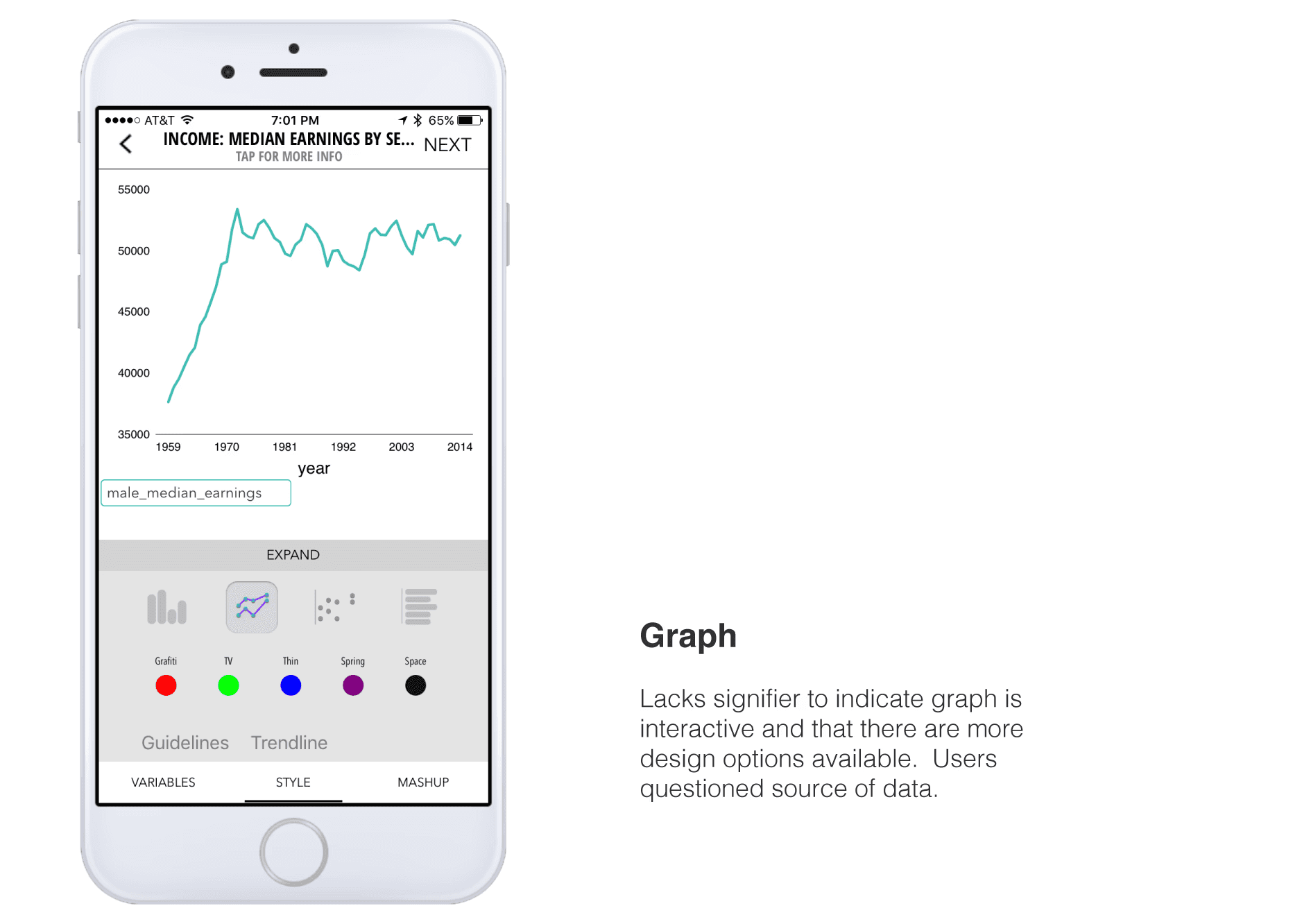
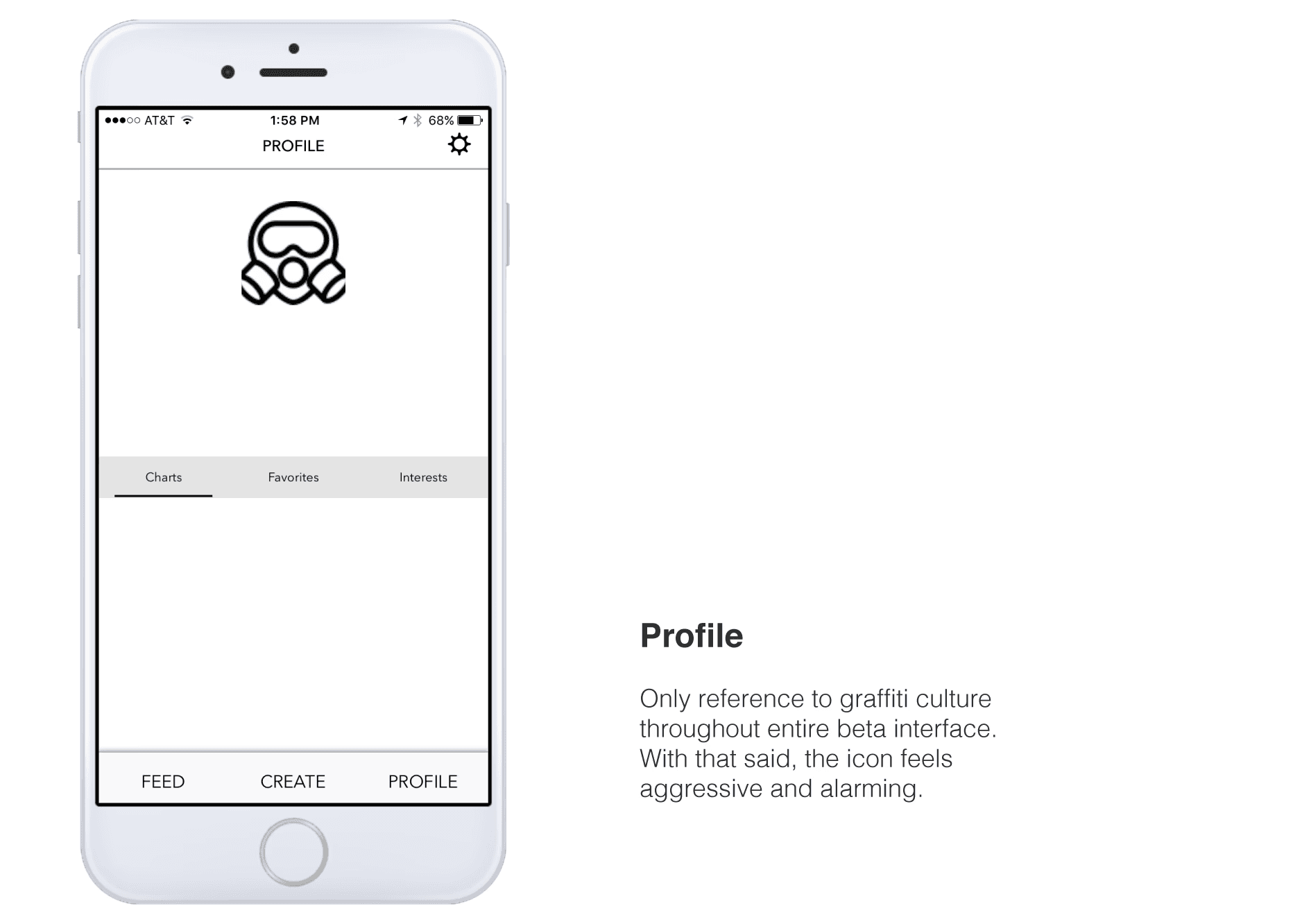
Beta
The Design Journey
Baseline
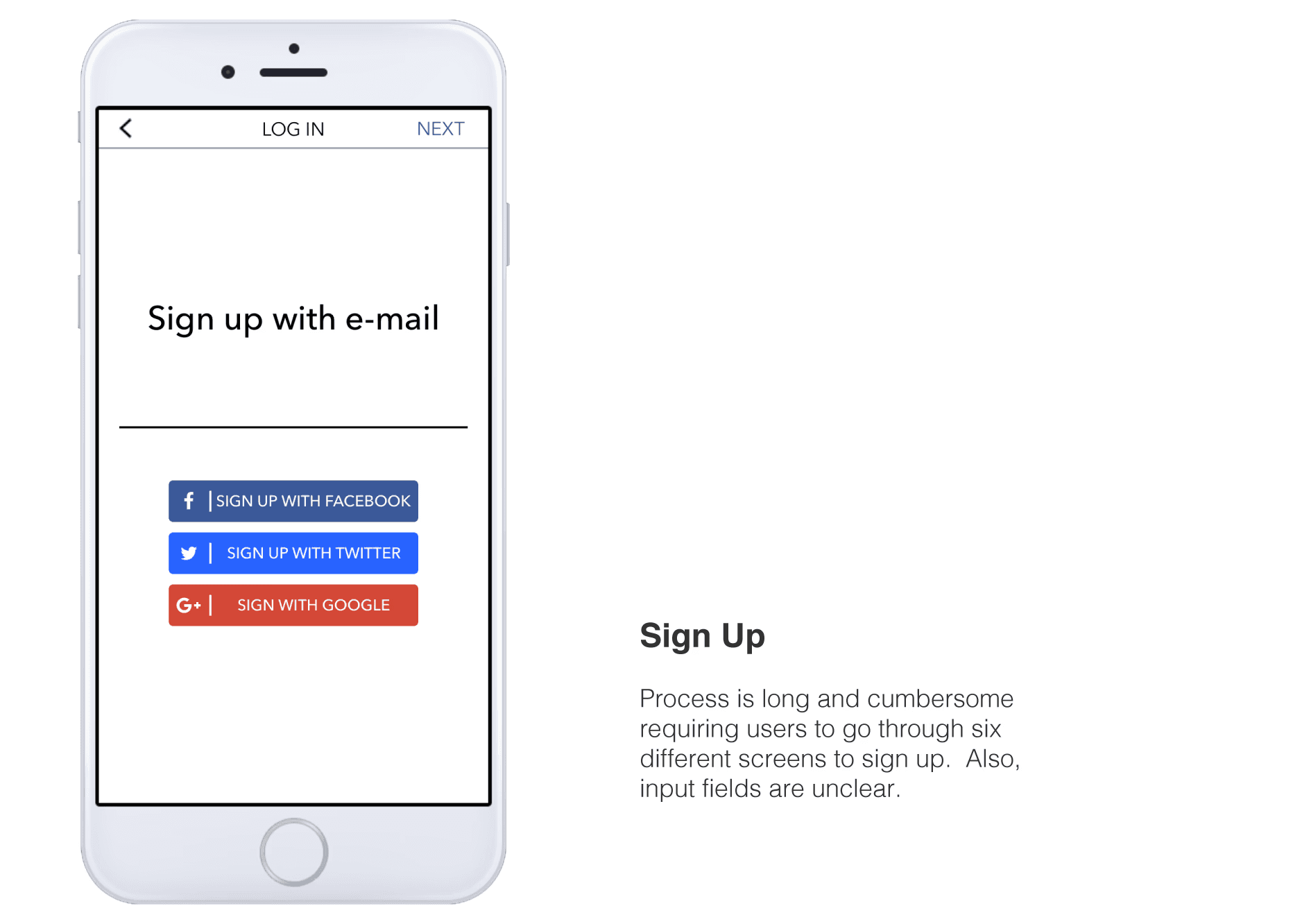
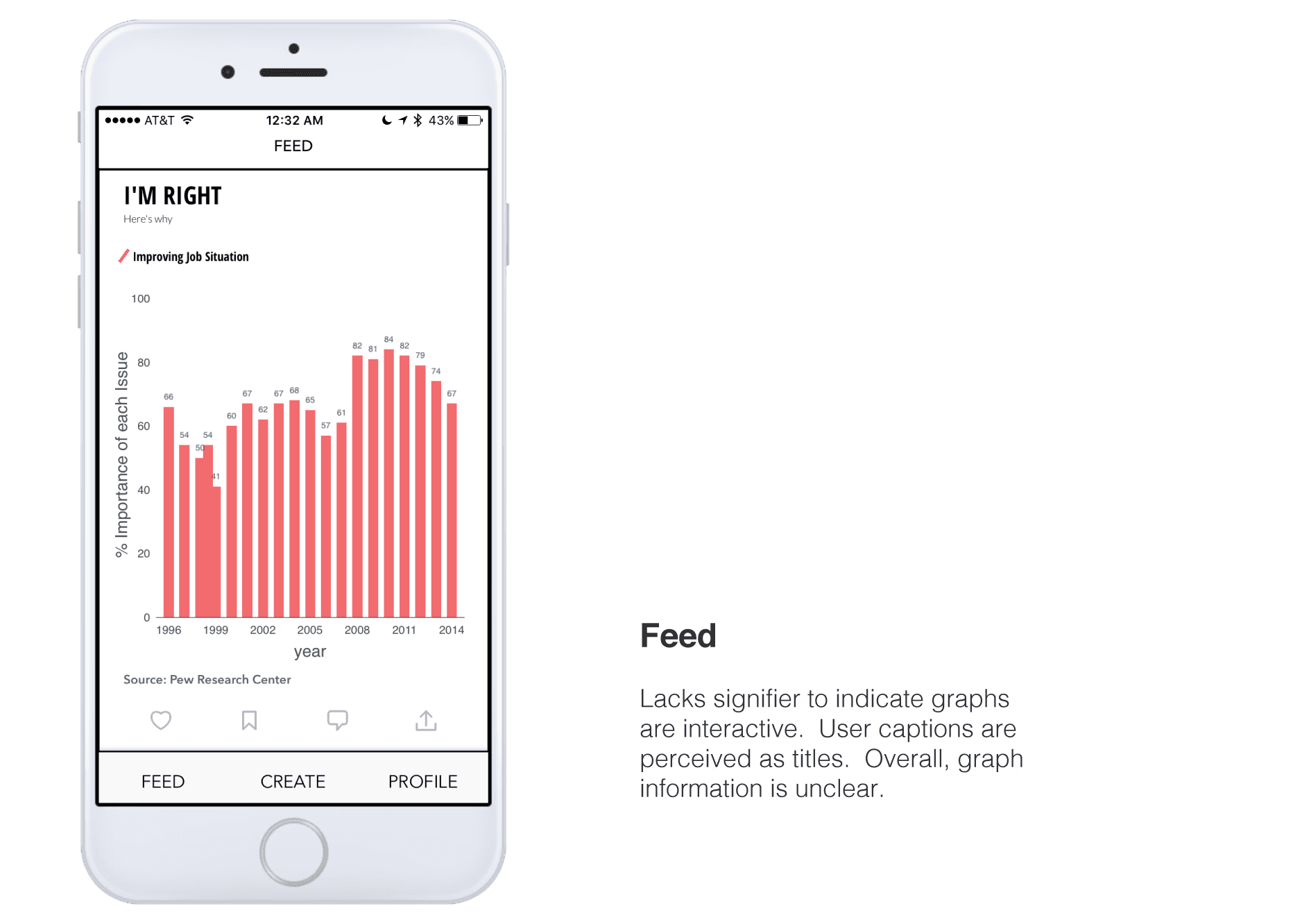
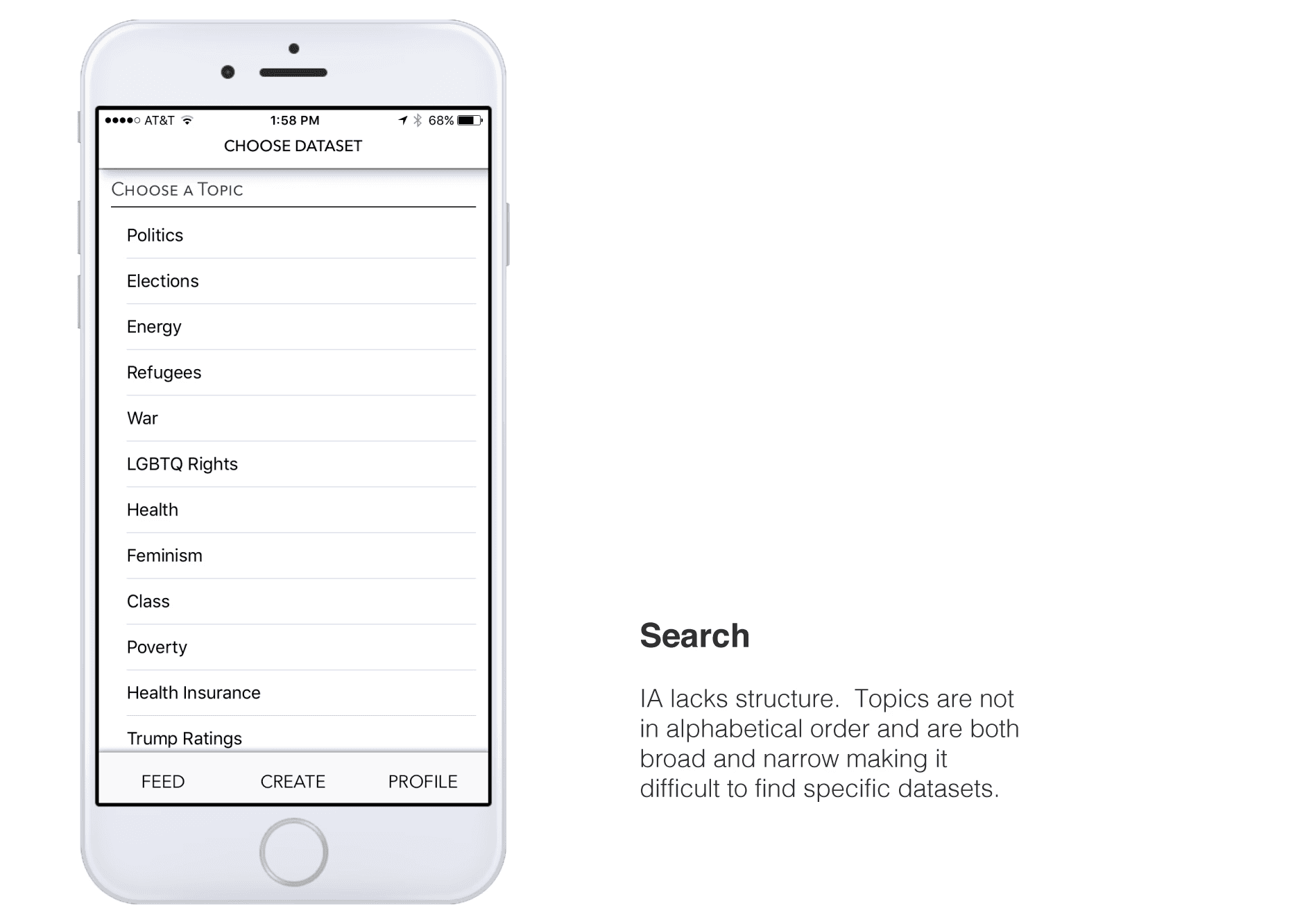
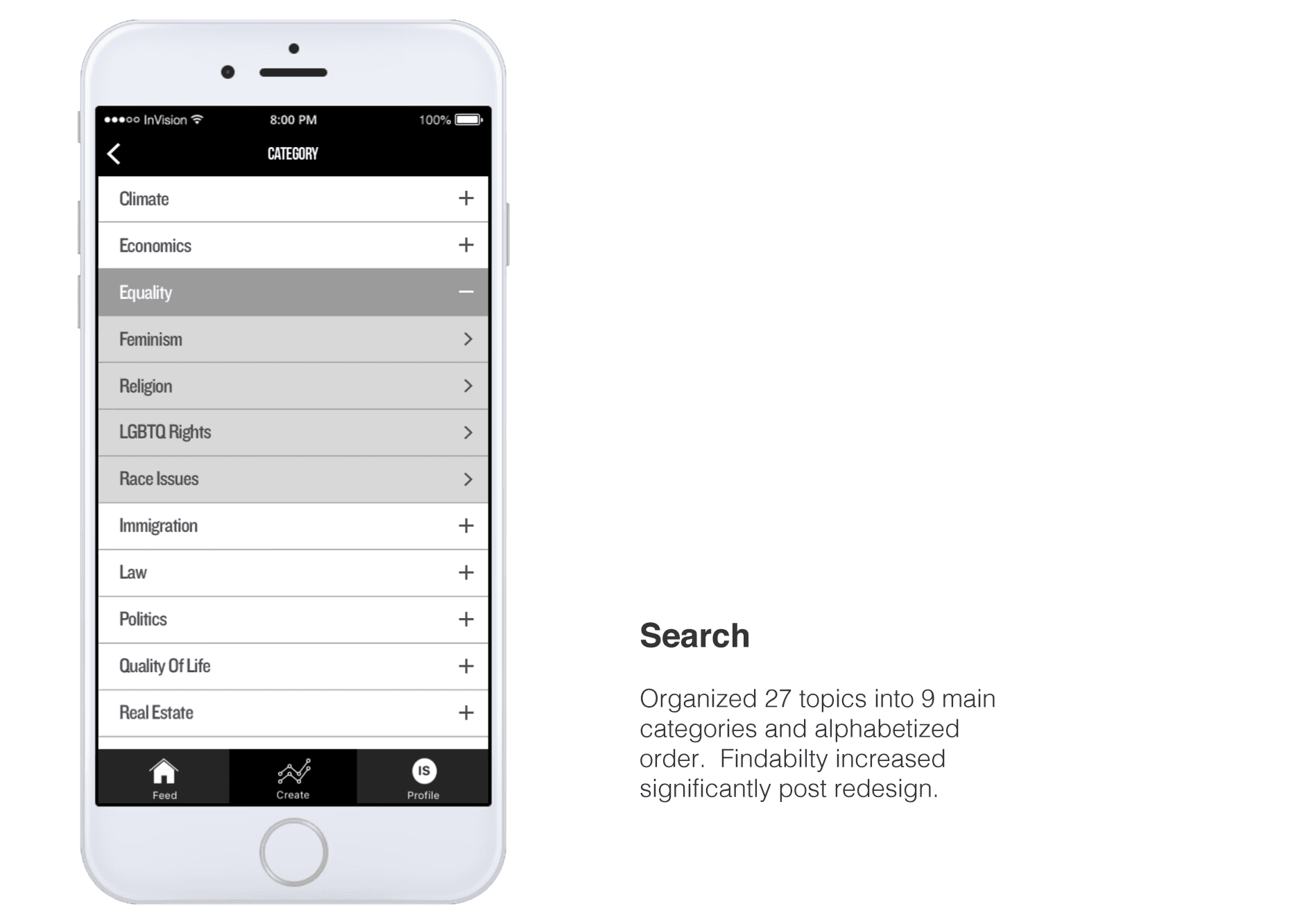
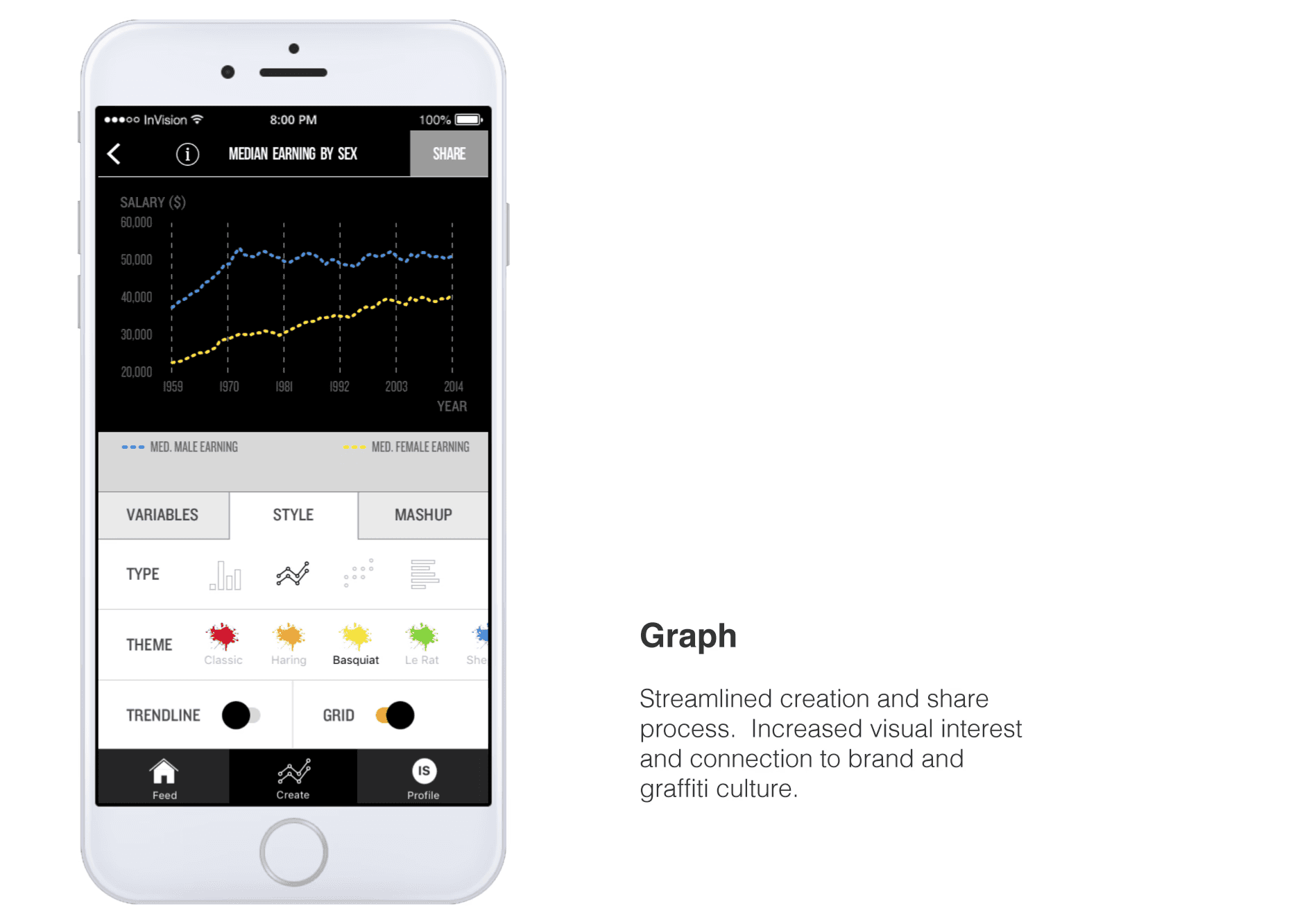
The idea is unique and offers users a different form of self-expression & learning. Unfortunately, the current design lacks proper signifiers to guide users through the experience. The category navigation is simple and easy to understand, but could use some adjustments to increase findability and prevent frustration. While the design maintains a clean aesthetic, there is no connection to the mission, brand, or graffiti culture.
Research
We conducted surveys and interviews to uncover that most people dislike or have mixed feelings about graffiti culture. We then analyzed the qualitative data from our research and developed primary, secondary, and tertiary personas. These personas would guide our design process, ensuring we consistently keep users' needs, goals, and pain points at the forefront. Additionally, we conducted both open and closed card-sorting exercises, asking participants to categorize 27 existing data topics into nine main groups. This approach improved the findability of topics and enhanced user experience by making content more intuitive and accessible.
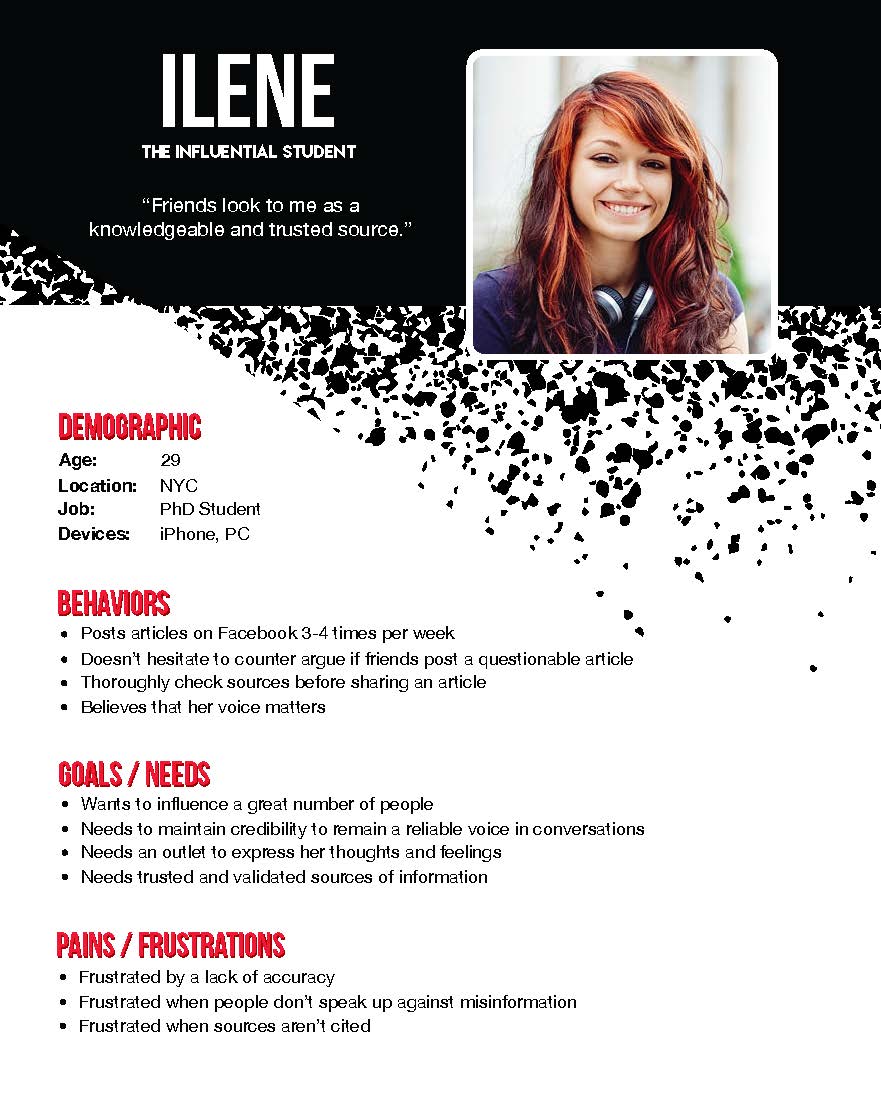
Primary Persona
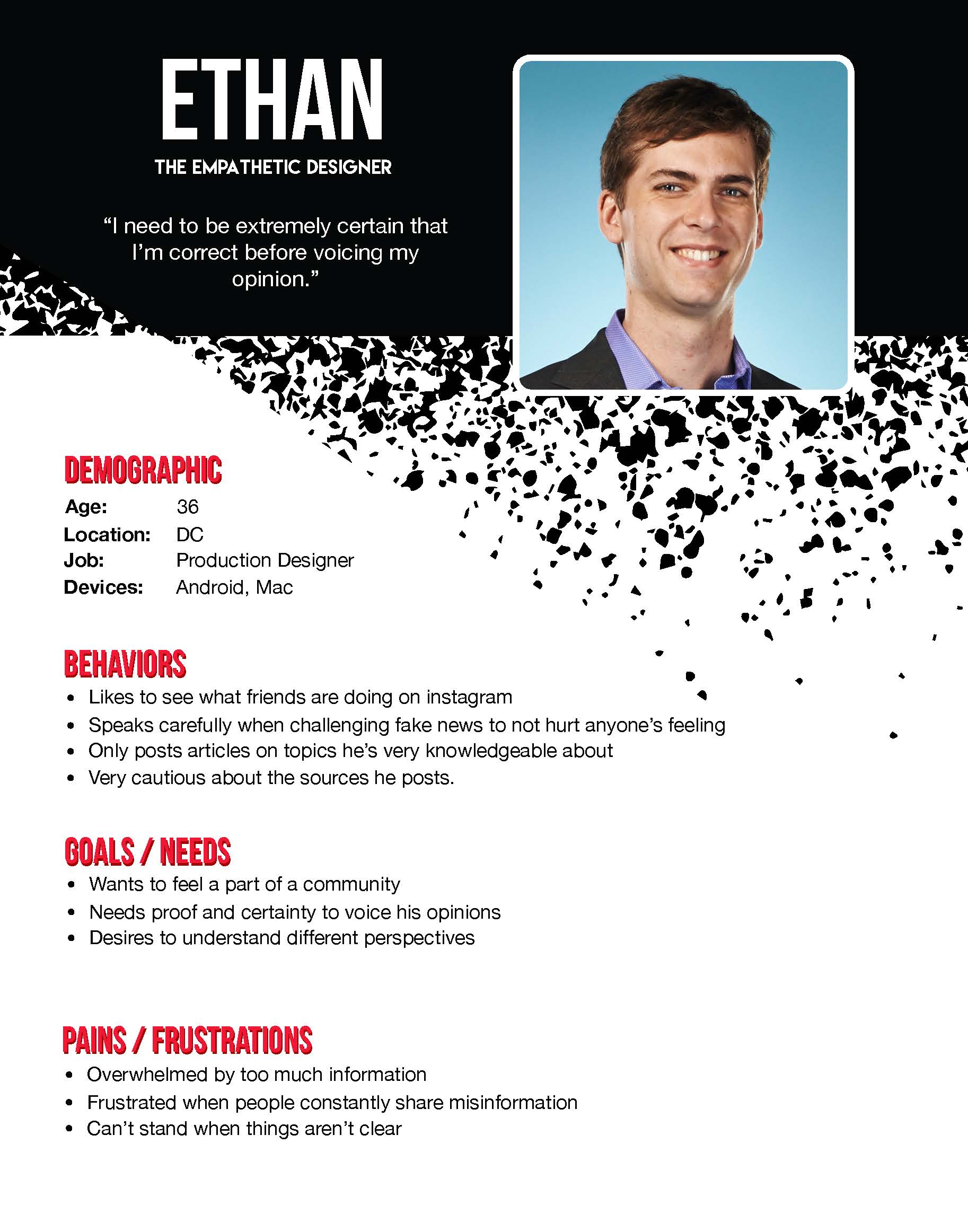
Secondary Persona
Design
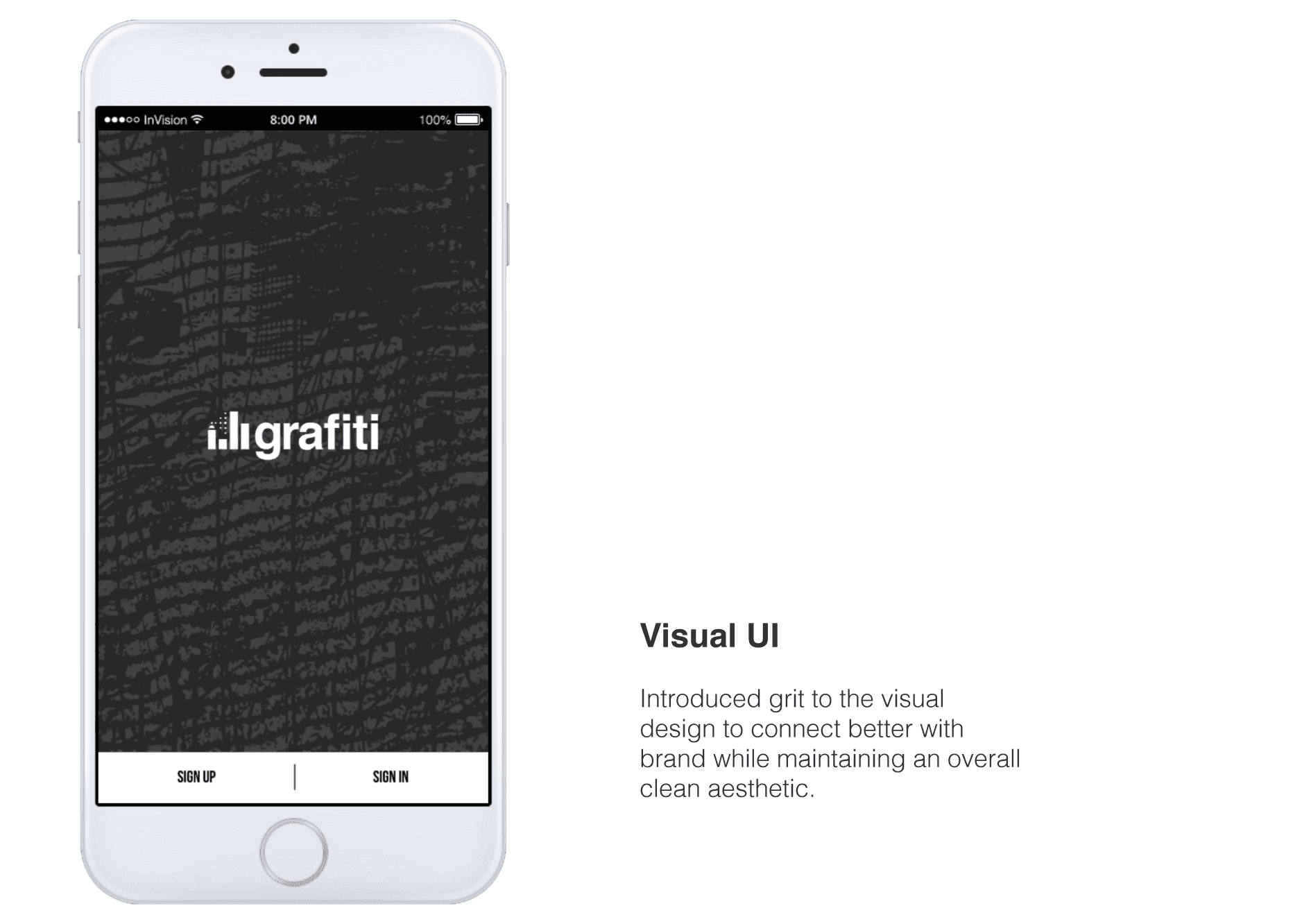
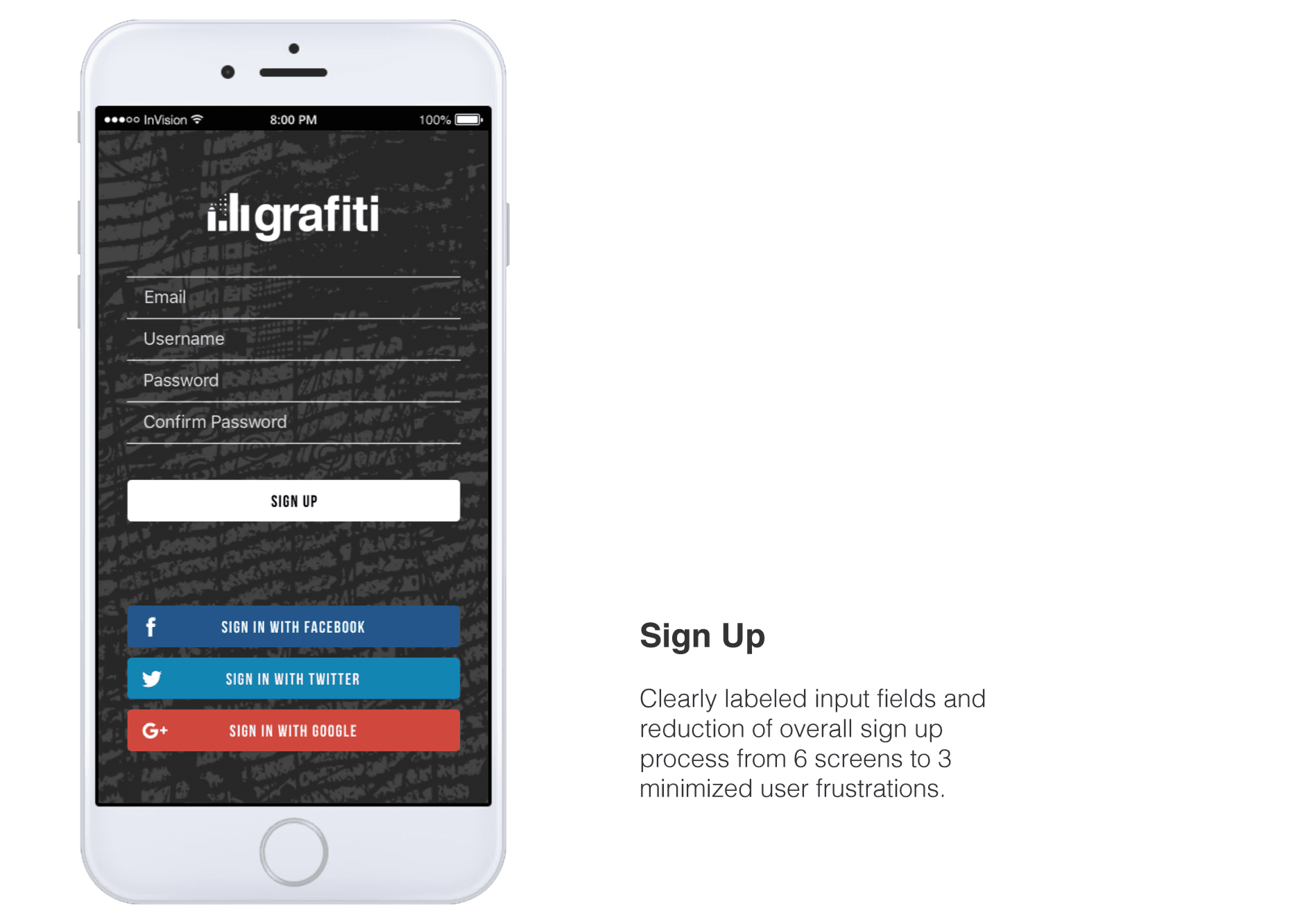
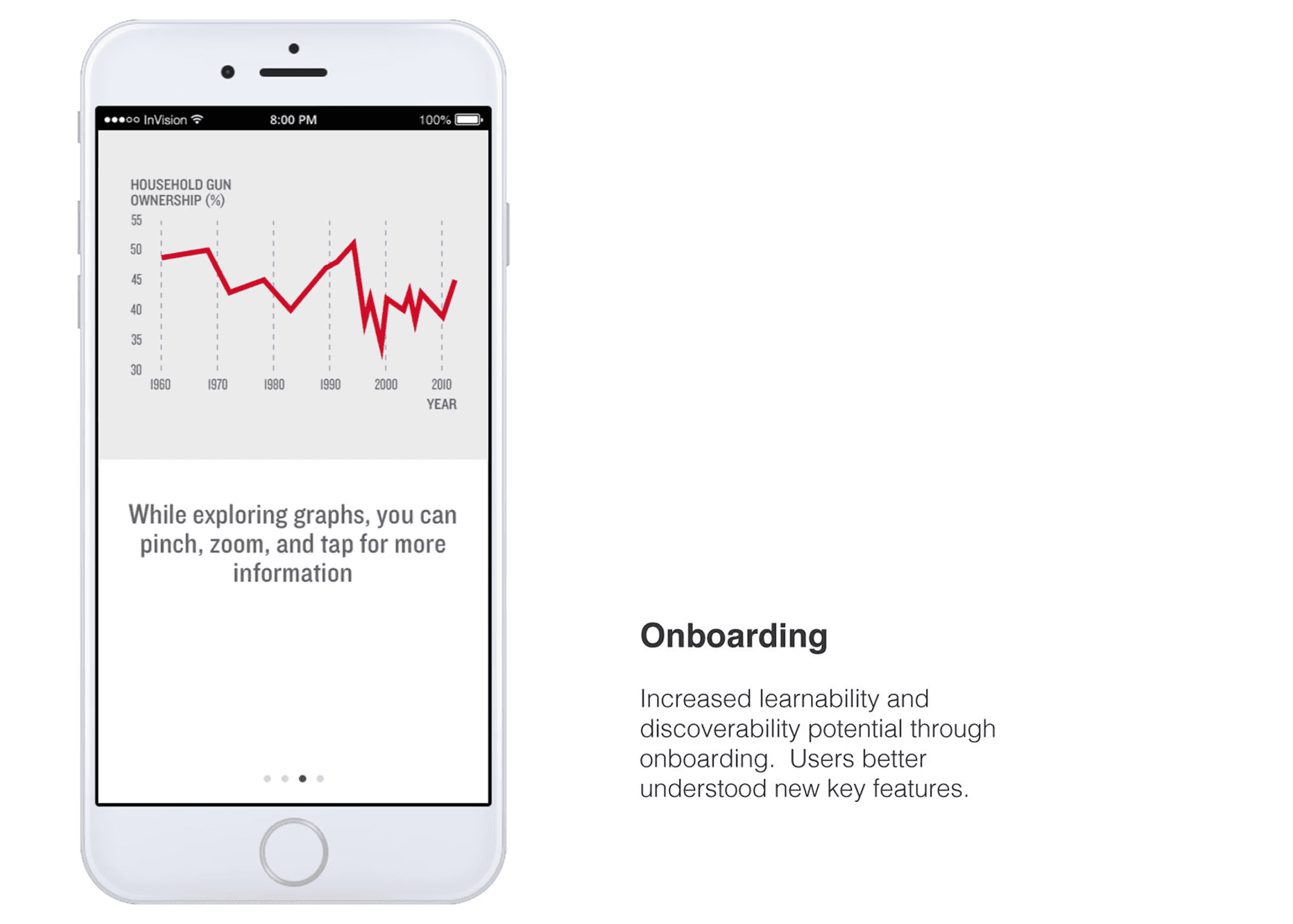
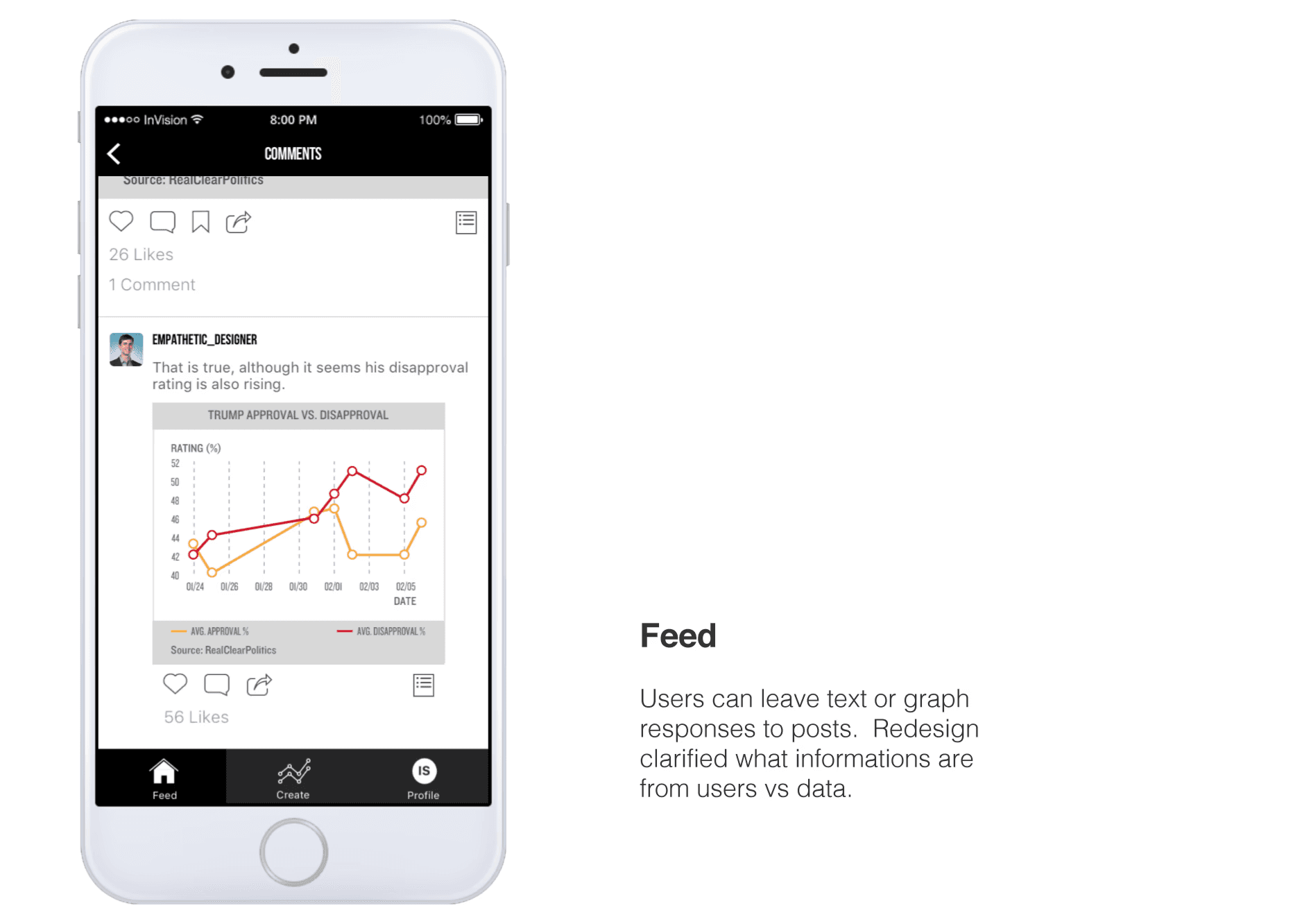
Since the concept is new and unique, proper onboarding and learnability are essential for the project's success, and we worked extensively on this. We simplified the sign-up process and introduced four onboarding screens for clarity. We referenced different social media platforms to increase familiarity and learnability with new users. We brought grit into the visual redesign to better connect with the brand while maintaining a clean aesthetic for general audiences.
The Business Impact
We went through four rounds of design and testing on tasks relating to three usability redesign goals: clear, findable, learnable. Overall, usability increased from a 1.8/5 rating in the beta test to a 4/5 rating in the final tests. No participant was able to find a topic on the first try of our initial user test, but after our card sorting and redesign, 100% of participants were able to find the topic and design a visual graph on the first try.
We advised the client against investing resources in building a “remix” function within the MVP, as user interest was uncertain. They have embraced our recommendations and are moving forward to market soon!
RELATED CASE STUDIES
VIEW ALL CASE STUDIES
Grammarly
Extension & App
Helping users understand value fast, resulting in a 40% lift in conversion.
Xfinity
Responsive Web
Designing with people and psychology in mind to increase sales conversions by 11%.